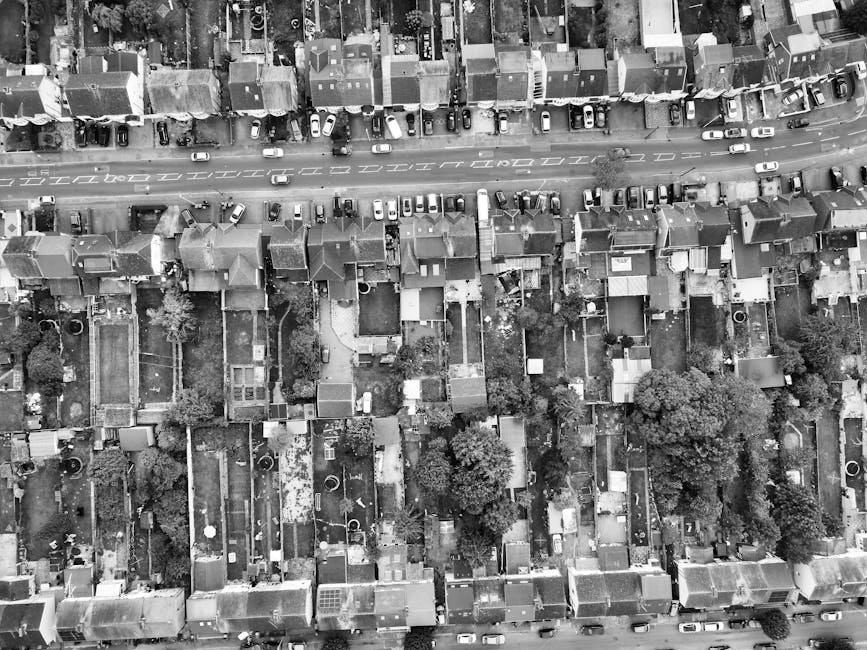
Access problems for gardeners on Blackheath Village terraces
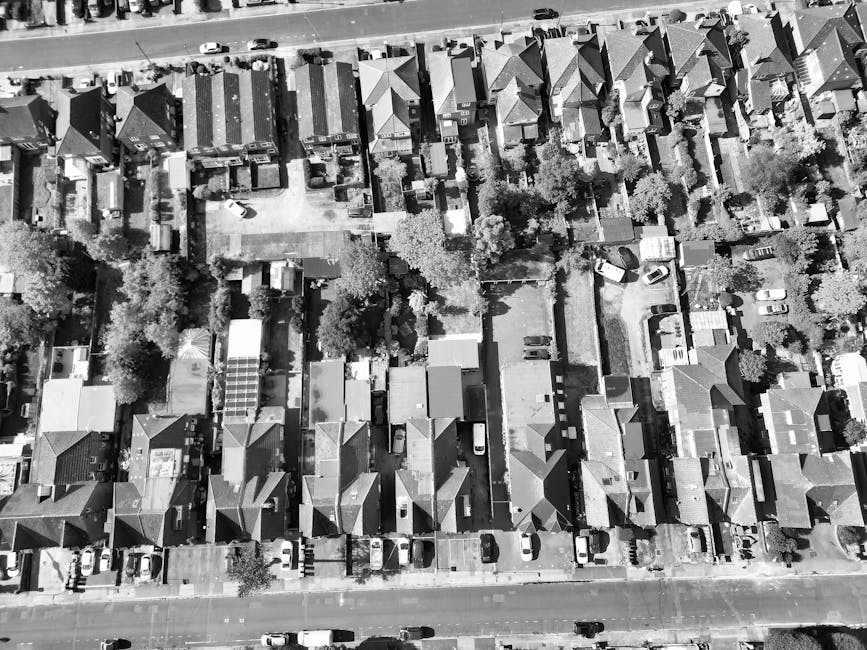
Gardening on Blackheath Village terraces can look straightforward from the pavement, but once you step through the front gate the realities often change fast. Narrow side passages, awkward steps, shared entrances, steep back gardens, limited parking, and no easy place to unload tools can all turn a simple visit into a carefully planned job. That is the heart of Access problems for gardeners on Blackheath Village terraces: not the planting, not the pruning, but how to get people, tools, and waste in and out without damaging the property or wasting time.
If you live in one of the terrace homes around Blackheath Village, you will know the feeling. The garden itself may be lovely, but the route to it can be a bit of a puzzle. A wheelbarrow that does not fit. A shed hidden behind a narrow alley. A mature hedge that blocks the only practical path. It is all manageable, but it has to be thought through properly. In this guide, we will break down what causes access issues, why they matter, and how to handle them in a practical, calm way.
Why access problems on terrace gardens matter
Access is not just a convenience issue. It affects safety, time, cost, the quality of the finished work, and whether a gardener can actually complete the job properly. On terrace properties, every extra trip through a narrow side return or every awkward carry down steps adds friction. That friction shows up in muddy footprints, scratched paintwork, bent tools, longer labour time, and sometimes a job that has to be rescheduled because the working conditions were underestimated.
Blackheath Village terrace layouts can be especially tricky because many homes were built with compact urban footprints. That often means the garden sits behind the house, with a slim route at the side or rear. Fine if you only want to water a few pots. Less fine if you need to remove pruning waste, bring in topsoil, or move bulky items for a larger tidy-up. What looks like a one-hour job can become a slow, fiddly process if access is not checked first.
It also matters because good garden work depends on momentum. If a team spends the first hour simply shifting equipment around the house, the energy of the day changes. You know how it is: once a job starts to feel clunky, everything else feels clunky too. Planning access well keeps the work flowing.
Expert summary: On terrace gardens, access planning is not a side issue. It is part of the job. The best outcomes usually come from identifying the route, the constraints, and the waste movement plan before any cutting, lifting, or clearing begins.
How access challenges affect garden work
Access problems show up in a few predictable ways. Some are obvious, others not so much. A gardener might be able to enter the garden easily, but still struggle to bring materials through. Or waste might leave the site without trouble, but tools and machinery may not fit through the same route. The access path can also change depending on the season. Wet weather makes narrow paved side returns slippery. Autumn leaf fall creates slick steps. A summer job may be easy; the same job in November can be a different story altogether.
Here are the most common access limitations on Blackheath Village terraces:
- Narrow side passages that limit wheelbarrows, sacks, or long-handled tools.
- Steep or uneven steps that increase carrying risks.
- No rear gate access, so everything has to pass through the house frontage.
- Shared courtyards or communal entrances where noise, timing, and tidiness matter more.
- Limited parking or loading space near the property.
- Overgrown hedges or shrubs that physically block the working route.
- Fragile surfaces such as old paving, decking, gravel, or decorative borders that can be damaged by heavy footfall.
In practical terms, access problems alter three parts of a garden visit: setup, execution, and clear-up. Setup takes longer because tools have to be staged carefully. Execution slows down when movement around the site is awkward. Clear-up takes longer because waste may need to be bagged in smaller loads rather than shifted in one go. Nothing dramatic, just a lot of little interruptions. And those add up, fast.
Gardeners often adjust by bringing lighter equipment, using smaller bags, trimming waste into more manageable sections, or changing the order of tasks so the most awkward work is done earlier. That sort of flexible thinking makes a huge difference.
Key benefits and practical advantages
When access is planned properly, the benefits are immediate. The most obvious one is efficiency. Fewer surprises mean fewer delays. But there are several other advantages that matter just as much.
- Less risk of damage to walls, railings, paving, gates, and internal hallways.
- Cleaner worksite management, especially when bags of waste need to be carried through tight spaces.
- Lower physical strain for the gardener or homeowner helping with the job.
- More accurate quotes because the practical constraints are understood in advance.
- Better quality finishing, since more time goes into the actual gardening work.
- Less disruption for neighbours in terrace settings where people live close together.
There is also a trust benefit. A gardener who asks about access before arrival is showing that they think in real-world terms. That is reassuring. It tells you they are not just turning up with secateurs and hope. To be fair, hope is not a strategy when you are trying to get a hedge trimmer through a 70-centimetre passageway.
If your terrace garden needs more than routine upkeep, it can help to review related services in advance too. For instance, a bigger tidy-up may involve garden clearance, while regular upkeep might sit better within garden maintenance. If the site includes overgrown edges or hedging along a narrow route, hedge trimming can sometimes improve access before the main work starts.
Who this is for and when it makes sense
This topic matters to a few different people, and not just professional gardeners. Homeowners, landlords, tenants, letting agents, and property managers all run into access issues on terrace gardens. It makes sense whenever the route into the garden is not straightforward, or when a job includes bulky waste, heavy materials, or repeated visits.
You are especially likely to need a proper access plan if:
- the garden can only be reached through the house or a narrow side return;
- the terrace has shared boundaries or close neighbours;
- the garden has become overgrown and is hard to move around safely;
- there is moss, mud, or slippy paving around the access route;
- the work involves clearance, pruning, or landscaping rather than just light tidying;
- you want to avoid disruption to carpets, doors, or internal hallways.
It is also worth thinking about access before a project changes shape. A neat little weeding job can quietly become a much bigger exercise once you realise the borders are full of roots and old debris. Happens all the time, honestly.
If the garden is being redesigned, it may help to look at broader landscape gardening or landscaping work, because access can influence the layout itself. In a few cases, the best fix for an access problem is not just better carrying methods; it is a smarter garden design.
Step-by-step guidance
Here is a practical way to handle access issues without overcomplicating things. You do not need a surveyor's notebook, but you do need to look properly before the work begins.
- Map the route
Walk the full path from the street to the working area. Notice width, surface condition, steps, gate clearance, overhead obstacles, and any points where a wheelbarrow would struggle. - Identify the pinch points
These are the places where carrying waste or tools becomes awkward. A narrow corner, a low wall, a jutting drainpipe, or a tight turn around the back of the house can all matter more than you first think. - Decide what enters and exits the site
Not all jobs need the same access. A lawn cut may need little more than a mower and bags. A clearance job may need large sacks, rakes, blowers, and multiple waste runs. Be clear on the load before the job starts. - Protect the surfaces
If the route crosses paving, decking, or internal flooring, plan for mats, boards, shoe cleaning, or sensible carry methods. A little prevention saves hassle later. - Break the work into stages
On tight terrace sites, it is often smarter to clear one section fully before moving to the next. That keeps pathways open and reduces clutter. - Choose the right waste strategy
Smaller loads, more bags, and faster removal can be better than trying to shift one enormous pile. If a job produces a lot of debris, this stage matters a lot. - Review what worked
After the first visit, make a note of what was awkward and what was fine. That makes the second visit smoother. Tiny detail, big payoff.
For recurring work, the route can be standardised. In other words, the gardener knows where to park, where to stage tools, where to place waste, and which gate or entrance is safest to use. Once that pattern is set, terrace gardening becomes much less of a faff.
Expert tips for better results
Experience teaches a few things that do not always appear in a quote or a website service list. These are the little moves that keep terrace jobs smooth.
- Ask about access before arrival. A quick conversation prevents a lot of wasted time.
- Measure the tightest point. If a tool or trolley fits everywhere else but not at the narrowest corner, that is the real constraint.
- Keep bags manageable. Overfilled waste bags are awkward on stairs and more likely to split.
- Work top-down on steep gardens. If possible, start with the highest or most cluttered area so debris does not get walked through the clean section.
- Use quiet, compact equipment where possible. On terrace streets, quieter kit and fewer trips make life easier for everyone.
- Watch the weather. A damp morning can make an access route far more slippery than it looks from indoors.
And one practical human thing: keep a towel or brush handy for muddy shoes. It sounds minor. It is minor. Until it is not. That one little step can save a hallway carpet and a slightly awkward conversation.
If the work involves larger structures or awkward surfaces, the route matters even more. For example, decking or raised areas may require a different carrying approach, especially if the access path passes through a narrow side return. You can see how this connects with decking services when access and surface protection need to be considered together.
Common mistakes to avoid
Most access problems are manageable. The trouble usually starts when someone assumes the job will "just work out." That is rarely a great plan in terrace gardens.
- Ignoring the route until the day of the job. This is the big one.
- Assuming a wheelbarrow will fit everywhere. Sometimes it will not, and that changes the whole method.
- Underestimating waste volume. Hedge cuttings, ivy, and old soil can produce far more material than expected.
- Using oversized sacks or tools. Compact gear often works better in tight spaces.
- Not protecting shared spaces. Hallways, steps, and entrances need care in terrace properties.
- Leaving access routes blocked mid-job. That slows everything down and can cause trip hazards.
Another subtle mistake is treating access as a one-off issue. It is not always. If the garden is on a schedule, the same problem will return every time unless the route or workflow is adjusted. Better to sort it once than repeat the same headache every month.
Tools, resources and recommendations
The right tools do not solve every access problem, but they can make awkward jobs much more manageable. On terrace gardens, compact and versatile kit usually wins over heavy machinery. You want equipment that fits the route, reduces strain, and does not cause damage on the way through.
| Problem | Useful approach | Why it helps |
|---|---|---|
| Narrow side passage | Compact hand tools and smaller bags | Reduces collisions and awkward turning |
| Steep steps | Lighter loads and staged waste removal | Makes lifting safer and steadier |
| Fragile paving or decking | Surface protection and careful footwear | Prevents scuffs, slips, and accidental damage |
| Large amounts of green waste | Frequent bagging or a dedicated clearance plan | Keeps paths usable and improves tidiness |
| Tight working space | Task sequencing and clear staging areas | Stops the site feeling cluttered |
For regular upkeep, a structured service plan can help. Lawn mowing is a good example: if access is awkward but predictable, the same route and setup can be used every visit. Likewise, if shrubs are encroaching on the passage, periodic hedge trimming helps preserve usable space.
If you are comparing service options, it is sensible to look at services overview pages to see how different types of work might be combined. That can save you from booking three separate visits for jobs that really belong together.
Law, compliance, standards, or best practice
For terrace garden access, the key point is not a single dramatic legal rule. It is a set of sensible UK best practices around safety, neighbour consideration, and property care. Garden work should be carried out in a way that avoids unnecessary risk to people, property, and shared spaces. In practical terms, that means thoughtful lifting, safe movement, tidy waste handling, and clear communication before work begins.
If a property has shared access or communal entrances, extra care is needed to avoid blocking routes or leaving hazards behind. In busy urban areas, that matters more than people sometimes realise. A gardener working responsibly will usually think about trip hazards, manual handling, surface protection, and keeping the site as clear as possible during and after the visit.
Insurance also matters. If a contractor is carrying equipment through tight terraces, the business should be properly covered and safety aware. You can review general reassurance pages like insurance and safety and health and safety policy to understand how a professional approach is presented. For broader trust signals and operational standards, pages such as about us and accessibility statement can also be useful.
Where waste is being removed, it is sensible to plan for clean disposal and practical sorting. If the work is substantial, a service such as garden clearance may be more appropriate than trying to manage the debris as a simple tidy-up. And if the job needs pricing clarity, it is fair to ask about pricing and quotes before work starts.
Options, methods, or comparison table
There is no single best way to solve terrace access problems. The right method depends on the space, the amount of work, and whether the priority is speed, safety, or minimal disruption. Here is a simple comparison.
| Method | Best for | Trade-off |
|---|---|---|
| Small-load manual carrying | Light maintenance and tight access | Slower, but flexible and low risk |
| Staged clear-down | Overgrown or cluttered gardens | Needs more planning, but keeps routes open |
| Compact equipment approach | Narrow passages and shared entrances | May limit speed on larger jobs |
| Combined maintenance visit | Recurring work with predictable access | Works best when tasks are grouped well |
| Layout adjustment or redesign | Long-term access problems | More involved, but can solve the root issue |
If access is the real limiting factor, a redesign may be the only answer that keeps making sense over time. Sometimes that means rethinking path widths, gate positions, border shapes, or where waste can be staged. It is not glamorous, but then again gardens are meant to be used, not wrestled with.
Case study or real-world example
A typical terrace scenario goes like this. A homeowner in Blackheath Village wants a front-to-back tidy-up after a period of neglect. The garden is not huge, but the side passage is narrow, the back gate sticks slightly, and the shrubs have grown into the path. A standard approach would have involved lots of awkward carrying, repeated trips, and a fair bit of frustration.
Instead, the job is handled in stages. First, the overhanging hedge is reduced to improve the route. Then the loose waste is bagged in smaller, easier loads. The most awkward material is moved while the pathway is still clear, and the tidy-up work follows once access is easier. The result? Less mess, fewer bottlenecks, and a cleaner final finish. Nothing magical. Just good sequencing.
That kind of planning is especially useful when the work includes follow-on tasks such as regular maintenance, small planting changes, or structural improvements. If the garden needs more than a one-off tidy, the access plan should match the longer-term service plan.
Practical checklist
Use this checklist before any terrace garden job where access may be tight. It is simple, but it catches the things people forget when they are rushing.
- Check the full route from street to garden.
- Measure narrowest gates, passages, and turns.
- Look for steps, slopes, and slippery surfaces.
- Clear overgrowth that blocks the access path.
- Decide where tools will be staged.
- Plan how waste will leave the site.
- Protect floors, paving, decking, and paintwork.
- Agree timing with neighbours if shared access is involved.
- Use smaller loads if the route is awkward.
- Review the setup after the first visit and adjust if needed.
If you can tick most of those boxes, you are already ahead of the game.
Get a free quote today and see how much you can save.
Conclusion
Access problems for gardeners on Blackheath Village terraces are not unusual, and they are rarely impossible. They just need proper attention. The garden may be small, but the logistics can be surprisingly detailed. Once the route, the waste plan, the surfaces, and the constraints are understood, the work becomes smoother, safer, and much less stressful for everyone involved.
In the end, good gardening on a terrace is not only about what grows in the soil. It is also about how people move through the space, how carefully they work, and how well they respect the home around them. Get the access right, and the rest of the job tends to follow. Little things, done well. That is usually where the best results begin.
Frequently Asked Questions
What are the most common access problems for terrace gardens in Blackheath Village?
The most common issues are narrow side passages, steps, shared entrances, limited parking, and routes that are blocked by hedges or overgrown planting. These make it harder to carry tools, move waste, and protect the property during work.
Why does access planning matter so much for gardeners?
Because access affects safety, speed, the quality of the finish, and the risk of damage. If the route is awkward, even a simple job can take longer and become more disruptive than expected.
Can a gardener work through the house if the garden has no rear access?
Yes, often they can, but it needs to be agreed in advance. Internal routes may require extra care for flooring, carpets, walls, and tidiness. Not every job is suitable for this approach, so it is best discussed early.
How do gardeners handle waste removal on tight terrace sites?
Usually by using smaller bags, staged clear-ups, and frequent trips rather than one large load. If the volume is high, a dedicated garden clearance approach may be more practical.
Should I trim hedges before booking garden work?
If hedges or shrubs are blocking the route, yes, that can help. In many cases, hedge trimming makes access easier and can reduce the time needed to complete the main job.
What should I tell a gardener before they visit a terrace property?
Tell them about narrow passages, locked gates, steps, shared entrances, parking issues, and any fragile surfaces. A few honest details before arrival can prevent a lot of faff later.
Is access a factor in garden pricing?
It often is. Difficult access can take more time and require more careful handling, so it may affect the quote. The best approach is to ask for pricing and quotes after the access route has been explained clearly.
What equipment works best in tight access gardens?
Compact hand tools, smaller bags, and lighter equipment usually work best. Big machinery is not always impossible, but terrace access often rewards a simpler, more flexible setup.
Can access issues be solved by redesigning the garden?
Sometimes, yes. If the problem keeps coming back, landscape gardening or broader landscaping work may help by changing path widths, gates, or the layout of the garden itself.
How do I know if a gardener is used to terrace access problems?
They will usually ask practical questions about the route, storage, waste removal, and any tight points before they arrive. That sort of detailed planning is a good sign. It shows they are thinking ahead, not just hoping for the best.
Do access problems make garden maintenance impossible?
No, not at all. They just mean the work needs to be planned more carefully. Regular garden maintenance on terrace properties is very common, and once the access routine is set, it can become straightforward.
What if the access route is wet, muddy, or slippery?
Then the job may need extra surface protection, better footwear, slower movement, or a revised schedule. Safety comes first. A damp terrace in November is not the place to rush, frankly.