SE3 gardeners specialising in courtyard garden makeovers: a practical guide to transforming compact outdoor spaces
If your courtyard feels more like a forgotten passage than a place you want to spend time in, you are not alone. Small outdoor spaces in SE3 often come with awkward corners, limited light, hard surfaces, privacy issues, and just enough room for clutter to build up. The good news? With the right planning and a careful hand, SE3 gardeners specialising in courtyard garden makeovers can turn even a tight, tired space into something calm, useful, and genuinely lovely to use.
This guide breaks down how courtyard garden makeovers work, what to expect, where the common pitfalls are, and how to judge the difference between a quick tidy-up and a proper transformation. It also covers practical considerations like access, materials, drainage, planting, and maintenance, because in a courtyard, every decision matters a bit more than you might think.
One small space, lots of potential. That is usually the story.
Why SE3 gardeners specialising in courtyard garden makeovers Matters
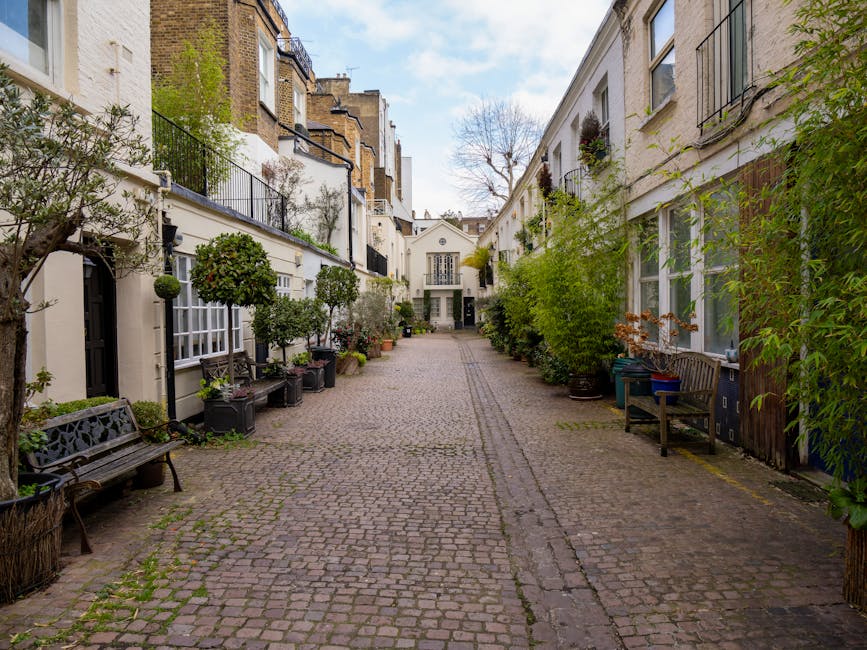
Courttyard gardens are a different beast from larger suburban plots. In SE3, you often see homes with compact paved spaces, lower boundary walls, overlooked corners, or narrow areas tucked between the house and outbuildings. These spaces can look quite plain at first glance, but they are often full of design opportunity. The trick is not trying to make a courtyard behave like a lawned garden. That usually ends badly. Better to work with the space, not against it.
Gardeners with courtyard experience understand how to make tight layouts feel breathable rather than cramped. They know where to soften hard edges, how to create a sense of depth, and how to choose plants that will not sulk in shade or blast in summer sun. They also understand the practical side: drainage, access for materials, maintenance demands, and how to avoid adding too many features into a space that already feels busy.
There is also a local relevance here. SE3 includes a mix of period homes, modern developments, and properties with compact rear or side gardens where privacy and style both matter. A courtyard makeover is not only about looks. It is about making the space useful for morning coffee, a quiet read, a few pots of herbs, or a small gathering without feeling boxed in. Sounds simple enough, but done well, it changes how the whole home feels.
How SE3 gardeners specialising in courtyard garden makeovers Works
A good courtyard makeover usually starts with a clear assessment. Before anything is dug, lifted, or planted, the gardener will look at light levels, drainage, existing surfaces, soil quality if there is any, and the way you want to use the space. That first conversation matters more than many people expect. If the brief is vague, the result can be vague too.
From there, the process often moves through a few practical stages:
- Site review and planning. Measure the space, note access points, check for damp areas, and identify what is staying and what should go.
- Design direction. Decide whether the courtyard should feel lush, minimalist, modern, cottage-inspired, or low-maintenance.
- Surface work. Refresh paving, decking, gravel, edging, or retaining details if needed.
- Structural additions. Add raised beds, planters, screens, seating, or storage features.
- Planting plan. Choose plants suited to the light, shelter, and maintenance level you want.
- Finishing touches. Lighting, containers, irrigation, decorative details, and final tidy-up.
In a courtyard, those final touches are not really final. They are what make the garden feel intentional rather than assembled in a rush. A single well-placed planter or bench can do more than a dozen small decorative bits. To be fair, less is often more here.
Professional gardeners also think about sequencing. For example, if heavy work is needed, it makes sense to complete that first so delicate planting does not get trampled. If there is restricted access, materials may need to be brought in a little at a time. That can sound tedious, but it is exactly the kind of detail that separates a smooth project from one that turns into a muddy headache.
Key Benefits and Practical Advantages
A well-designed courtyard makeover brings benefits that go beyond appearance. The best projects improve how the space works day to day, and that is where the value really lands.
- Better use of limited space. Courtyards need precise layout thinking. A specialist can create zones for seating, planting, storage, and movement without overcrowding.
- More light and openness. Through material choice, colour, planting height, and visual lines, a small garden can feel noticeably brighter.
- Lower maintenance stress. The right plant palette and surface choices can cut down on constant upkeep. Helpful if you are busy, or just not the sort who wants to be outside every weekend with secateurs.
- Improved privacy. Screens, layered planting, and boundary treatment can reduce that very London feeling of being watched from three angles at once.
- Better year-round structure. Courtyards often need to look good in winter too. Evergreens, textured materials, and good structure keep them from disappearing into bare emptiness.
- Added enjoyment. A courtyard that feels coherent tends to get used more. Simple as that.
There is also a property-presentability angle. A tidy, well-finished courtyard can make a home feel more cared for, which matters when friends arrive, when you want to sit outside with a cup of tea, or when you simply want to open the back door and not sigh immediately.
Expert summary: the strongest courtyard makeovers are usually the most disciplined ones. They do not try to cram in every feature. They choose a clear style, repeat materials thoughtfully, and leave a bit of visual breathing room.
Who This Is For and When It Makes Sense
Courtyard garden makeovers are a strong fit for homeowners who want a polished outdoor space but do not have a large garden to work with. They are especially useful if your courtyard currently has one or more of the following problems:
- hard paving that feels cold or uninviting
- patchy, tired, or awkward planting
- poor drainage after rain
- very little privacy from neighbours
- no clear seating area
- a mismatched collection of pots and furniture
- shady conditions that make grass impractical
- a space that feels too narrow or visually cluttered
They also make sense if you want an outdoor area that suits a more urban lifestyle. Courtyards are often used in short, flexible bursts: breakfast outside, evening drinks, a few minutes of quiet with a book. You do not need acres of planting to get that sense of calm. You need smart planning.
If you are renting, a full makeover may not be suitable, but some of the same principles still apply in a lighter form using pots, removable planters, and temporary screening. If you own the property, though, it is worth thinking a bit more long-term. The right layout and materials can save you effort for years.
For readers comparing service providers, it can help to look beyond the word "gardening" and check whether the company understands design, materials, access, and finish. A useful starting point is the services overview, which shows the broader range of work a professional team may offer.
Step-by-Step Guidance
If you are planning a courtyard makeover in SE3, a structured approach will save time, money, and no small amount of frustration. Here is the practical route most good projects follow.
1. Define the purpose of the space
Start with use, not style. Do you want a dining area? A quiet retreat? A family-friendly space? Room for planting only? Without this, design decisions become guesswork.
2. Measure honestly and note constraints
Measure the usable area, not just the rough boundaries. Note any awkward steps, boiler cupboards, side returns, drains, service access, or places where furniture would block movement. Small omissions here can cause big annoyance later. Been there, seen that.
3. Assess light, shelter, and moisture
Court yards can be surprisingly tricky. A north-facing space may be cool and shaded. A west-facing courtyard can get strong afternoon sun and reflected heat from brick walls. Rain can also bounce and pool more than expected on hard surfaces. Each of these things affects plant choice and material selection.
4. Choose a style that fits the house
The strongest makeovers feel like they belong to the building. A compact Victorian terrace might suit elegant brick, natural stone, and layered planting. A newer property may benefit from cleaner lines and simpler materials. That does not mean you must copy the house exactly, but it should feel connected.
5. Decide what stays and what goes
Sometimes the best transformation starts with removing one or two bad elements. A tired shed, a cracked slab, or a random mix of pots can visually shrink the space. Clear it out first. You will notice the difference almost immediately.
6. Build the structure before planting
Good hard landscaping creates the bones of the garden. Then planting softens and finishes it. In many courtyards, raised planters, edged beds, or a narrow strip of soil are more practical than trying to create a lawn that will never quite behave.
7. Plant in layers
Layering is what gives depth in small gardens. Use taller elements at the back or along boundaries, medium plants in the middle, and lower planting at the front. Repeat shapes and colours to create calm rather than a messy collector's display.
8. Add lighting and seating with care
Lighting is often overlooked, which is a shame because it can transform a courtyard on dark evenings. Low-glare wall lights, subtle uplighting, or simple lantern-style fittings can make the space feel welcoming without looking staged. Seating should be proportionate. A compact bench or built-in perch often works better than a bulky set.
9. Build in maintenance realism
Ask yourself what you will actually keep up with. If you are not going to water ten separate pots every other day in July, do not design a garden that expects that of you. A brilliant courtyard should be easy to live with, not just nice on day one.
Expert Tips for Better Results
A few practical choices make a disproportionate difference in courtyard garden makeovers. These are the details that, in our experience, separate a garden that looks fine from one that feels properly resolved.
- Use repetition. Repeat a material, a pot shape, or a planting colour to create calm. Repetition helps small gardens feel intentional.
- Choose a restrained palette. Two or three key materials is often enough. Too many finishes can make the courtyard feel chopped up.
- Keep the eye moving. If every line is hard and every surface is flat, the space can feel boxy. Add vertical interest with climbers, trellis, or wall planting.
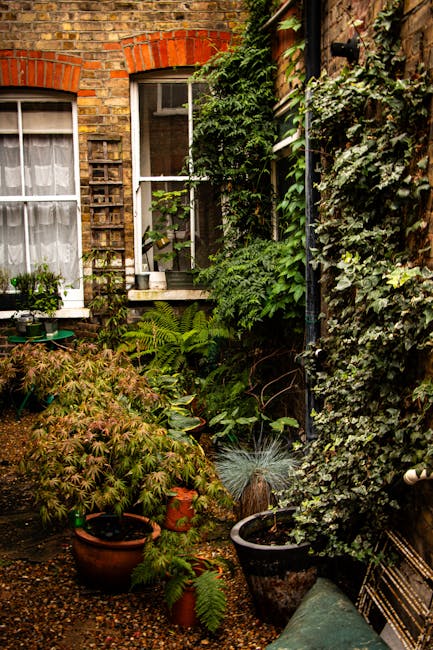
- Do not ignore walls. In a courtyard, boundaries are part of the design. A bare wall can become a feature with climbers, framed planting, or subtle texture.
- Go for plants with presence. Fewer, better-chosen plants usually outperform lots of small fussy ones. One strong evergreen can anchor a whole scheme.
- Think about seasonal change. A courtyard needs interest in winter, spring, summer, and autumn. Choose structure first, then seasonal colour.
One small but important trick: step back from the garden at different times of day. Morning light, lunchtime glare, and dusk all affect how colours and shapes read. A courtyard that looks lovely at noon may feel flat at 6 pm. Funny how often that catches people out.
Another useful point is to avoid making everything level. Slight changes in height, even if modest, can make a small space feel layered and more expensive than it was to build. A raised bed, a low step, or a lifted planter can do that job without shouting about it.
Common Mistakes to Avoid
Small gardens are unforgiving in one sense: mistakes show quickly. The good news is that many of the usual problems are avoidable if you plan carefully.
- Overfilling the space. Too many pots, chairs, ornaments, and plant species can make a courtyard feel crowded. Leave some empty space. It helps.
- Choosing the wrong plants. Shade plants in full sun, sun lovers in deep shade, or thirsty plants where watering is awkward. This is one of the fastest ways to create disappointment.
- Ignoring drainage. Courtyards often sit on hard surfaces. If water has nowhere to go, puddles and damp patches become a regular annoyance.
- Using too many materials. Mixed paving, multiple timber tones, several gravel types, and different metal finishes can look chaotic in a small area.
- Forgetting maintenance access. You still need to reach planters, screens, drains, and back corners. A beautiful but impossible-to-clean courtyard becomes a burden.
- Going too trendy. Highly stylised features can date quickly. A courtyard makeover should feel current, yes, but also sensible enough to last.
- Skipping a proper brief. If nobody defines the purpose of the space, the final result can feel like a polite compromise rather than a transformation.
There is a quieter mistake too: assuming that small equals simple. It does not. Small spaces can take more judgement, not less, because every line and material choice is magnified. That is why specialist experience matters.
Tools, Resources and Recommendations
For a courtyard makeover, the right tools and materials depend on the scope of work, but a good professional team will usually work with a mix of design, build, and planting resources. Homeowners do not need to know every technical detail, but it helps to understand what is commonly involved.
| Element | What it does | Why it matters in a courtyard |
|---|---|---|
| Measuring tools | Check dimensions, levels, and spacing | Precision is crucial in compact layouts |
| Quality edging | Defines beds and paths | Stops the space looking messy or unfinished |
| Planters and raised beds | Add planting where soil is limited | Creates structure and depth |
| Lighting | Improves evening use and atmosphere | Courtyards often need help after dark |
| Mulch or gravel top layer | Helps finish beds and suppress weeds | Useful for low-maintenance planting areas |
| Watering solution | Keeps plants healthy in dry spells | Small spaces can dry out quickly |
If you are comparing providers, it is sensible to check how they handle planning, payments, and project expectations. The team's pricing and quotes information should give you a clearer sense of how work is estimated and discussed. Likewise, reading their about us page can help you judge whether the company feels like a good fit for the kind of careful, detailed work a courtyard needs.
For anyone thinking about waste handling, reuse, or a more environmentally mindful approach, the recycling and sustainability guidance is worth a look. Small garden projects often create more waste than people expect, especially when old hard landscaping comes out in stages.
Law, Compliance, Standards, or Best Practice
Courtyard garden makeovers are usually straightforward residential projects, but there are still sensible standards and best practices to keep in mind. If work involves lifting heavy materials, power tools, changes near boundaries, or disposal of waste, it should be handled responsibly and with appropriate care.
For homeowners, the key thing is not to treat "garden work" as risk-free. Hard landscaping, cutting, digging, and moving materials all carry practical hazards. Good contractors should have sensible procedures for safe working, especially on compact sites where access is tight and trip hazards are easy to create. If that matters to you, a useful place to start is the company's health and safety policy and insurance and safety information.
Best practice in this kind of project also includes being clear about scope, timing, and what happens if conditions on site differ from the original plan. Courtyards can hide surprises: old drainage runs, uneven sub-bases, difficult access, or hidden deterioration behind walls and steps. A calm, transparent approach is far better than guesswork.
If you are arranging work, it is also worth understanding the practical side of business terms and customer care. The terms and conditions, payment and security, and complaints procedure pages can help set expectations. That is not the exciting part, admittedly, but it does matter. Honest admin saves awkward conversations later.
For privacy and website use, you may also want to review the privacy policy, cookie policy, and accessibility statement. These pages are not about the garden design itself, but they do support trust and a smoother customer experience.
Options, Methods, or Comparison Table
There is no single right way to approach a courtyard makeover. The best method depends on budget, use, maintenance appetite, and how much of the existing space you want to keep.
| Approach | Best for | Strengths | Trade-offs |
|---|---|---|---|
| Light refresh | Spaces that are structurally fine but visually tired | Quick, cost-conscious, minimal disruption | Limited change to layout or long-term usability |
| Plant-led makeover | Courtyards with solid surfaces already in place | Softens hard lines, adds colour and texture | Depends on light conditions and watering discipline |
| Hardscape-led redesign | Courtyards with poor layout, drainage, or worn surfaces | Transforms structure and function | More disruptive and usually more involved |
| Full courtyard rebuild | Spaces needing complete rethinking | Maximum design control and the cleanest finish | Highest level of planning and project coordination |
In many SE3 homes, the most practical route is a blended one. Keep the parts that work, replace the weak points, and use planting to bridge the old and new. That tends to feel more authentic than a complete wipeout, unless the existing courtyard is truly beyond saving.
For decision-making, ask a simple question: are you changing how the garden looks, how it functions, or both? If it is only appearance, a lighter approach may be enough. If the space currently frustrates you every time you step outside, you probably need deeper structural changes.
Case Study or Real-World Example
Imagine a typical SE3 courtyard behind a terrace house. The space is about the size of a small living room, paved throughout, with one shaded corner, a narrow side return, and a blank wall that reflects a lot of sound. It gets used mostly for storage. Not ideal.
A sensible makeover might begin by clearing clutter and assessing drainage. A few existing slabs could be retained if they are sound, but the layout is tightened with better edging and a defined seating zone. A compact bench is placed where the light is best in late afternoon. The blank wall becomes a vertical feature with climbers and a slim trellis arrangement. Raised planters introduce height without eating the whole floor area. Planting includes evergreens for structure, a few softer perennials for seasonal variation, and one or two larger statement plants so the space does not feel overworked.
The result is not a showpiece garden in the grand sense. It is better than that. It is a courtyard that gets used. Coffee in the morning, a glass of something cold after work, maybe two pots of herbs by the back door. The kind of space that quietly changes daily routine. And honestly, that is what most people actually want.
If the project is being handled by a professional team, a clear first conversation helps a lot. You should be able to explain what feels wrong, what you like, and what you hope to do in the garden. A good gardener will usually translate that into a realistic plan rather than selling you a fantasy. That is a good sign.
Practical Checklist
Use this checklist before starting a courtyard makeover. It keeps the project grounded and stops enthusiasm from outrunning the plan.
- Define the main purpose of the courtyard
- Measure the space carefully, including awkward corners
- Note light, shade, and wind exposure
- Check drainage and any known damp issues
- Decide what features will stay and what will be removed
- Choose a style that suits the house and neighbourhood
- Select a limited palette of materials
- Make sure planting suits the available light
- Include at least one seating option if the space allows
- Plan for maintenance realistically, not optimistically
- Check access for materials and waste removal
- Confirm project scope, payment expectations, and timing
- Review relevant company trust pages before booking
- Ask how the final garden will be finished and maintained
Quick reminder: a courtyard should feel easy to use, not precious. If you need a special occasion just to sit in it, something has probably gone a bit off track.
Conclusion
A good courtyard makeover is part design, part problem-solving, and part restraint. The strongest SE3 gardeners specialising in courtyard garden makeovers know how to turn difficult little spaces into calm, practical gardens that feel like an extension of the home rather than an afterthought.
If you are weighing up your options, focus on the basics: how the space will be used, what will make it feel more open, and which choices will still feel sensible a few years from now. That approach usually leads to better decisions than chasing trends or filling every spare inch. It really does.
For a more confident next step, speak to a professional team, compare their approach to design and maintenance, and make sure you are comfortable with the process as well as the result. You want someone who understands small-space gardening, not someone who treats your courtyard like a mini field to be conquered.
Get a free quote today and see how much you can save.
And if you do take the plunge, give the space time to settle. The best courtyard gardens do not just look better on day one; they feel better every time you step outside.
Frequently Asked Questions
What do SE3 gardeners specialising in courtyard garden makeovers actually do?
They redesign and improve compact outdoor spaces, usually by combining planting, surface improvements, layout changes, screening, lighting, and practical finishing details. The aim is to make the courtyard look better and work better.
How long does a courtyard garden makeover usually take?
It depends on the size of the space and how much work is involved. A light refresh can be fairly quick, while a full redesign with new surfaces, raised beds, and planting naturally takes longer. Site access can also affect timing.
Are courtyard gardens difficult to maintain?
They do not have to be. A well-planned courtyard can actually be easier to maintain than a larger garden because it is smaller and more controlled. The key is choosing the right plants and not overcomplicating the layout.
What plants work best in a shaded courtyard?
Shade-tolerant plants are usually the safest choice, along with evergreen structure and layered planting. The exact mix depends on how much light the space gets during the day, and whether it is dry, moist, or sheltered.
Can a tiny courtyard still feel spacious?
Yes. Good proportions, repetition, lighter materials, vertical planting, and clear circulation can make a small courtyard feel much more open. The trick is to avoid clutter and use the space with discipline.
Do courtyard makeovers always need hard landscaping?
Not always. Some courtyards need only planting, cleaning, and better layout. Others need new paving, edging, drainage improvements, or planters. A proper assessment should decide that rather than guessing.
How do I make a courtyard more private?
Privacy can be improved with screening, taller planting, trellis, wall features, or carefully positioned furniture. In a compact space, even one well-placed screen can make a big difference.
Is a low-maintenance courtyard possible?
Very much so. Use durable surfaces, fewer but stronger plants, good mulching, and a sensible irrigation approach if needed. Low-maintenance does not mean no-maintenance, though. That would be wishful thinking.
What should I ask before hiring a gardener for a courtyard project?
Ask about their experience with small spaces, how they approach drainage and access, what their design process looks like, and how they handle pricing, safety, and project expectations. It is also sensible to read their insurance and safety information and terms and conditions.
Can I combine seating and planting in one compact courtyard?
Absolutely. In fact, that is often the smartest approach. Built-in seating, planters that define edges, and compact furniture can all work together if the layout is planned carefully.
How much disruption should I expect during the work?
That depends on the scope. A simple planting refresh is usually less disruptive than a full redesign involving digging, lifting, and surface changes. If access is tight, materials may need to be brought in gradually, which is normal in small London courtyards.
What is the best first step if I want to improve my courtyard now?
Start by clearing clutter and noting what bothers you most: lack of privacy, dull surfaces, poor planting, or awkward layout. That gives a clearer brief for any gardener and helps avoid spending money in the wrong place. If you are ready to move forward, use the company's contact page to begin the conversation.